
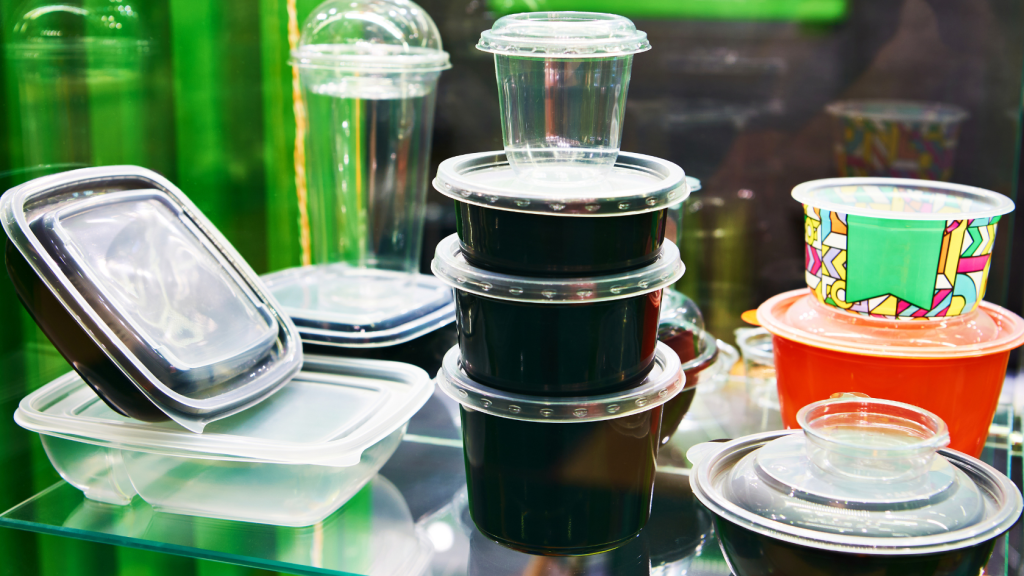
In an era where sustainability is not just a preference but a necessity, the U.S. packaging and plastics industries are experiencing a pivotal shift towards eco-friendly alternatives. Bioplastics, crafted from renewable resources, are at the forefront of this change.
In this article, we offer insights into this evolving landscape, and what they might mean for businesses operating in this exciting industry.
The Rise of Bioplastics
Bioplastics, sourced from materials like plants, vegetable fats, and oils, are fast becoming a popular choice in the U.S. for sustainable packaging.
These materials are not only environmentally friendly but also align with the increasing consumer demand for green products. The global market for bioplastic packaging is expanding, with the U.S. playing a significant role in this growth, driven by environmental awareness and a shift from fossil fuel-based products.
Environmental Benefits of Bioplastics
The adoption of bioplastics is a game-changer for the environment. They contribute to reducing the carbon footprint by capturing CO2 from the atmosphere, thus playing a crucial role in a carbon-neutral future.
Moreover, bioplastics made from renewable sources are instrumental in decreasing the reliance on finite fossil fuels. Their biodegradability and compostability make them an ideal choice for a sustainable packaging solution.
Bioplastics in the Packaging Industry
The U.S. market is increasingly embracing bioplastics in various sectors, including food and beverage, healthcare, and personal care. And the versatility and sustainable nature of bioplastics make them an attractive option for American companies looking to innovate in packaging.
This is a sector on the rise, with the global flexible plastic packaging market, which includes a significant contribution from the U.S., expected to reach $17.7 billion by 2033, growing at a CAGR of 3.4%.
Challenges and Opportunities
While bioplastics hold immense potential, the U.S. market still currently faces challenges in fully integrating them into mainstream packaging. Issues such as scalability, cost, and legislative support are critical factors influencing their adoption.
However, these challenges present unique opportunities for growth and innovation within the sector, encouraging companies to invest in new technologies and sustainable practices.
Sustainable Packaging Strategies for Business Leaders
U.S. business leaders have a pivotal role in driving the shift to bioplastics. Aligning with global sustainability goals, such as the EU Green Deal, and adopting bioplastics can significantly impact reducing environmental footprints.
Businesses are increasingly incorporating bioplastics in their packaging, showcasing commitment to a sustainable future and meeting consumer expectations.
Looking Ahead: The Future of Bioplastics in Sustainable Packaging
The outlook for bioplastics in sustainable packaging is bright, with significant growth anticipated in the U.S. and globally. As the industry progresses, adopting bioplastics will be key to achieving environmental sustainability and economic success. The increasing consumer demand for eco-friendly products is set to further drive this growth, making bioplastics a crucial element in the future of packaging.
At SPI of Chicago, we understand the importance of staying ahead in the ever-evolving packaging and plastics industries. If you’re looking to enhance your team with professionals who are knowledgeable in sustainable practices and bioplastics, we’re here to help you find the ideal candidates for a greener future in packaging.