
- Stick to a Schedule
Will it be tempting to forgo the alarm clock, eat a leisurely three-course breakfast, and take your dog for a long stroll through the neighborhood before finally sitting down to work just shy of noon? Yes, and while that garden veggie skillet frittata is certainly tastier than a quick bowl of cereal, and Rover isn’t complaining about the extra miles logged, this new lack of structure will likely mean a decrease in productivity—or that you find yourself working well past quitting time. Think about how many hours you typically work on a given day (yes, maybe you “work” 9-5, but how many are actually spent toiling away and how many are spent conversing with coworkers, grabbing coffee, or scrolling social media?). Then make a schedule that’s ideal and doable for you (hint: six straight hours with no breaks likely isn’t it). The nice thing about working remotely is the 9-5 can become a 7-2 or a 6-10 followed by a 2-4. But whatever schedule you decide on, aim stick to it. For help, try a scheduling app like todoist or Things.
- Create a Designated Workspace
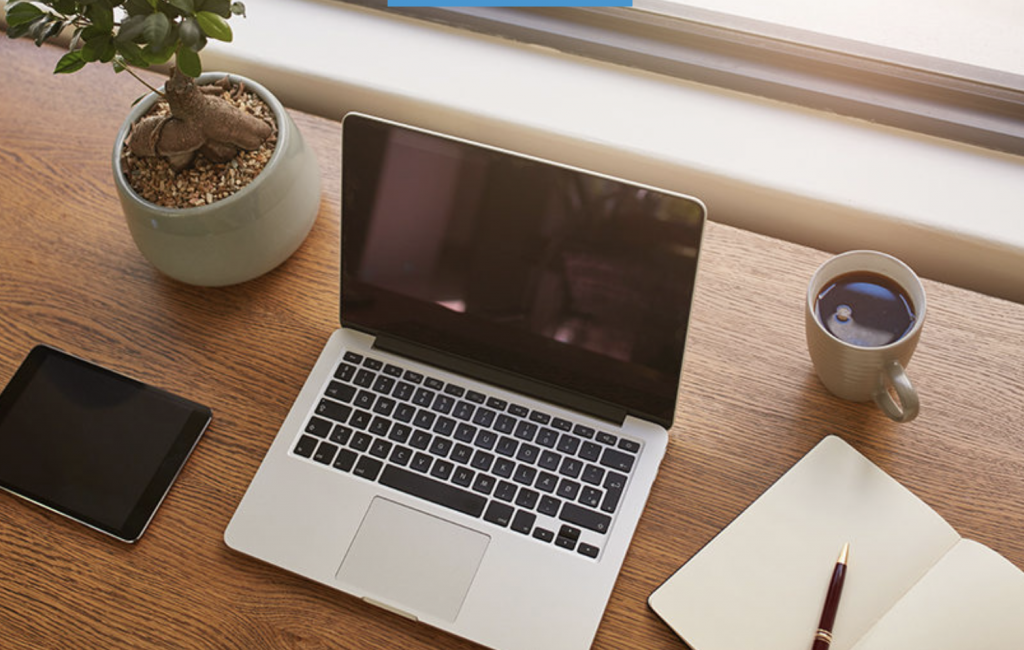
Our brains respond to their environments: being in the bedroom tells the brain it’s time to relax, wind down, and eventually go to sleep. If you start working from your bed, soon your brain will think your bed is your new office, and when you do try to go to sleep at night, your brain will be saying, “Sleep? No way! It’s time to fill in those spreadsheets!” (or whatever it is you do at your job). Obviously, having a home office is ideal, but not everyone is so lucky. If you don’t have a designated office at home and aren’t able to set one up on the fly, try to at least create a place in your home that will tell your brain it’s work time (the way that your couch says it’s time for Netflix and your back patio says it’s time for margaritas). Here’s a simple way to do it: if you plan to work at the kitchen table, sit in a different chair than the one you normally eat dinner in. And if you do have the means, time, and space to actually create a home office, check out these stunning examples for larger spaces and these awesome ideas for smaller ones.
- Get into “Work Mode”
Many of us don’t typically work from home, so finding the motivation to get to work while not at the office can be challenging. Many of you won’t want to hear this (and you’ve likely heard it before), but get dressed in the morning. I’m not saying it’s time for a three-piece suit or that you have to give yourself a professional blow-out every day. But changing out of pajamas, showering, and brushing your teeth before noon can signal it’s not perpetually Sunday morning. But a true perk of working from home is that you can stay comfy all day. See ya later, stiff blazers and tight waistbands! Try a home-version of your typical work outfit. Normally wear dress pants and a button-up? Try leggings and an oversized tunic. Okay, now you’re dressed, showered, and your teeth are brushed. How else can you get into work mode? Surround yourself with the tools of your trade—notebooks, pens, an abacus? (again, I don’t know what your job is). Try to recreate some semblance of what your actual workspace looks like. Having these items in your eyeline will help get your brain into work mode. Do you normally drink your coffee out of a to-go thermos at work? Do it at home too. Do you work at a standing desk? Try to MacGyver one for your home workspace. Do you always work without music playing? Then it’s probably not a great idea to start jamming out now.
- Establish Boundaries between Working and Not-Working
A big issue with working from home is that when your home becomes your office, it can feel like you’re never actually off the clock. Schedule breaks and actually take them in their entirety—decide ahead of time when your breaks will be and set alarms in your phone so you don’t accidentally work for five straight hours and end up totally burnt out the next day (there is such thing, at least colloquially speaking, as a work hangover). Even the stingiest of bosses likely gives their employees a half an hour for lunch and two fifteen-minute breaks during an eight-hour workday, so don’t be your own worst boss. Stop working at the time you planned to stop working (and if this is not possible, log this as overtime or plan to work less the following day). If you don’t normally work weekends or check your work email after hours, don’t do it now either. But it goes the other way too: if you don’t normally take a two-hour break to watch a couple episodes of that show you’re binging or scroll Pinterest for quarantine craft projects, don’t do this now either. Establish a routine for the end of the workday as well, something to signal the work day is officially over. Maybe this is something simple like signing out of your work email. Maybe it’s dismantling your kitchen-table-office. Maybe it’s going for an after-work job or finally opening the bottle of red that’s been eyeing you all day from the countertop.
- Keep Communicating with Colleagues
If you’re not used to working remotely from home, you’re likely also not used to working without colleagues to interact with regularly. Feelings of loneliness and disconnection can set in quick. Sure, you might have mandated Zoom meetings or work-related conference calls, but you’re likely missing the camaraderie of a workplace, the non-regulated opportunities for socialization about things other than work. Stay in touch! Sure, a simple text or an email check-in works, but what about taking your lunch or coffee break virtually with a close work friend over video chat? How about a virtual happy hour with a handful of colleagues at the end of the day on Friday? One thing I’ll say about living in a time of self-isolation: we’ve become all about the challenges. Make the most of it—who knows what you’ll learn about your coworkers that might make you closer once we’re out the other side and back at our desks.
